Signature: A Playful Sans Serif Font That Adds Charm to Every Project
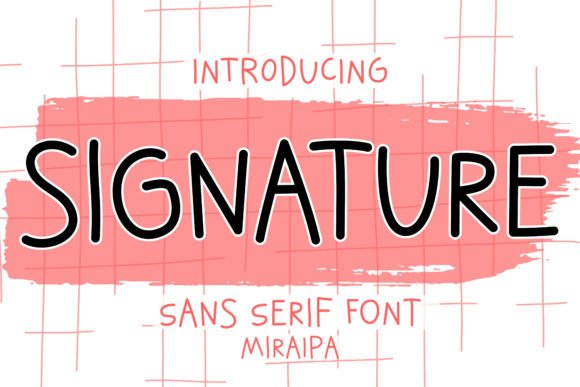
When it comes to fonts, the right choice can make all the difference in how a design is perceived. Signature is not just another font—it's a character-driven style that brings warmth, whimsy, and personality to any creative endeavor. With its adorable and playful sans serif design, Signature stands out as a versatile tool for designers, educators, hobbyists, and business owners alike. Whether you're crafting invitations, creating DIY projects, or designing social media content, this font has something special to offer.
The Unique Appeal of Signature
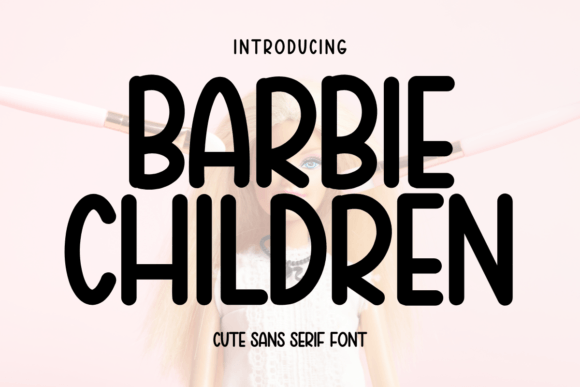
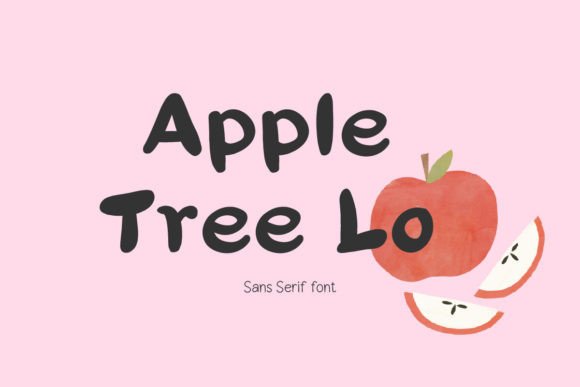
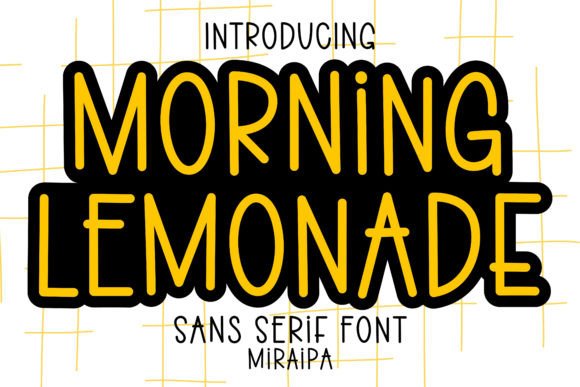
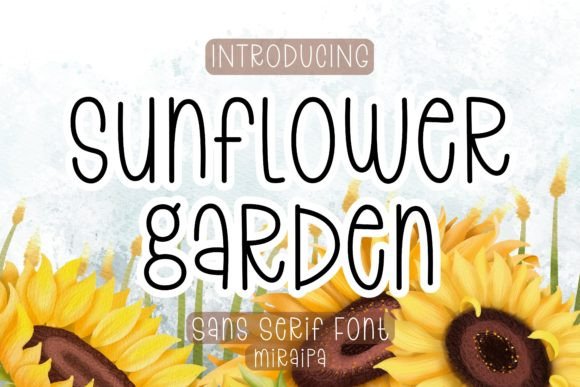
Signature is designed with charm and character in mind. Its whimsical curves and quirky details give it a distinct personality that feels both friendly and approachable. Unlike traditional sans serif fonts that prioritize minimalism and clarity, Signature adds a touch of playfulness that makes it ideal for projects that require a bit more flair. This font is particularly well-suited for child-related designs, festive themes, and anything that needs a warm and inviting feel.
One of the most striking features of Signature is its adaptability. It works seamlessly across a wide range of applications—from greeting cards and party decorations to posters and blogs. The font’s playful nature makes it especially popular among creators who want to add a personal touch to their work. Whether you're designing a wedding invitation or a holiday poster, Signature helps elevate the visual appeal without overwhelming the message.
Why Signature Stands Out in the World of Fonts
While there are many fonts available today, few manage to balance aesthetics with functionality as effectively as Signature. Its clean lines and rounded edges make it easy to read, even when used in larger sizes or on digital platforms. At the same time, its charming quirks ensure that it doesn't blend into the background. This combination of readability and personality is what sets Signature apart from other similar fonts.
Another advantage of Signature is its versatility in different contexts. For example, when used in a child’s diary planner, the font adds a sense of fun and engagement that encourages creativity and interaction. In contrast, when applied to a professional blog post or educational material, Signature can be scaled back to maintain a more refined appearance while still retaining its friendly essence.
Signature also shines in situations where a font needs to convey emotion. Its playful tone is perfect for seasonal projects like Halloween, Christmas, or Easter, where the goal is to evoke joy and excitement. Similarly, it works well for events such as back-to-school preparations or weddings, where the visual element plays a crucial role in setting the tone.
Real-World Applications of Signature
Let’s take a closer look at some of the ways Signature can be used in practice. One popular application is in DIY projects. Whether you're making custom stickers, hand-drawn posters, or personalized gift tags, Signature adds a unique flair that makes your creations stand out. Its playful nature makes it especially effective for projects aimed at children or young adults, where the goal is to spark imagination and creativity.
For those involved in event planning, Signature can be a game-changer. Invitations, banners, and signage all benefit from the font’s friendly and approachable style. Imagine using Signature for a birthday party invitation—its whimsical curves and quirky details make the message feel more personal and engaging. Similarly, it can be used for promotional materials, such as flyers or social media posts, helping to create a cohesive brand identity that resonates with the target audience.
Signature is also an excellent choice for educational settings. Teachers and educators can use it to create interactive learning materials, such as flashcards, quizzes, or classroom posters. Its playful yet readable design ensures that students remain engaged without feeling overwhelmed by the text. Additionally, the font’s adaptability allows it to be used across various subjects, from art and design to language learning and storytelling.
For businesses looking to build a stronger connection with their customers, Signature offers a way to add a human touch to their branding. Social media posts, product packaging, and website headers can all benefit from the font’s friendly and approachable style. By incorporating Signature into their design strategy, businesses can create a more relatable and memorable brand presence that appeals to a wider audience.
Considerations When Using Signature
While Signature is a fantastic font, it’s important to consider its limitations and best practices when using it in your projects. First and foremost, it’s essential to use the font in appropriate contexts. While its playful nature makes it ideal for certain applications, it may not be suitable for formal or professional settings where a more neutral or classic font is preferred.
Another consideration is the font’s scalability. While Signature looks great in large sizes, it may become less legible when used in very small text. As a result, it’s important to test the font in different sizes and formats to ensure that it remains clear and readable. This is especially important for digital content, where the font may be viewed on a variety of devices and screen sizes.
Additionally, while Signature is a great option for adding personality to your designs, it should be used sparingly. Overusing the font can lead to a cluttered or unprofessional appearance, especially if it’s combined with other playful or decorative elements. Striking the right balance between creativity and clarity is key to ensuring that your design remains visually appealing and easy to understand.
How to Incorporate Signature Into Your Design Workflow
Incorporating Signature into your design workflow is straightforward, but it requires some thoughtful planning. Start by identifying the specific projects where the font would add the most value. For example, if you’re working on a children’s book, Signature could be used for chapter titles or character names to make the text more engaging. If you’re designing a greeting card, the font can be used to highlight key phrases or messages to draw attention and create a warm, friendly atmosphere.
Once you’ve identified the right use cases, it’s important to experiment with different combinations of text and layout. Try pairing Signature with other fonts to create a balanced and visually appealing design. For instance, using a more traditional serif font for body text and Signature for headings or callouts can help maintain a cohesive look while allowing the font to shine in the right places.
Finally, always keep the purpose of your project in mind. Signature is not just about aesthetics—it’s about creating a meaningful and engaging experience for your audience. Whether you’re designing a DIY project, a marketing campaign, or an educational resource, the right font can make all the difference in how your message is received and remembered.